
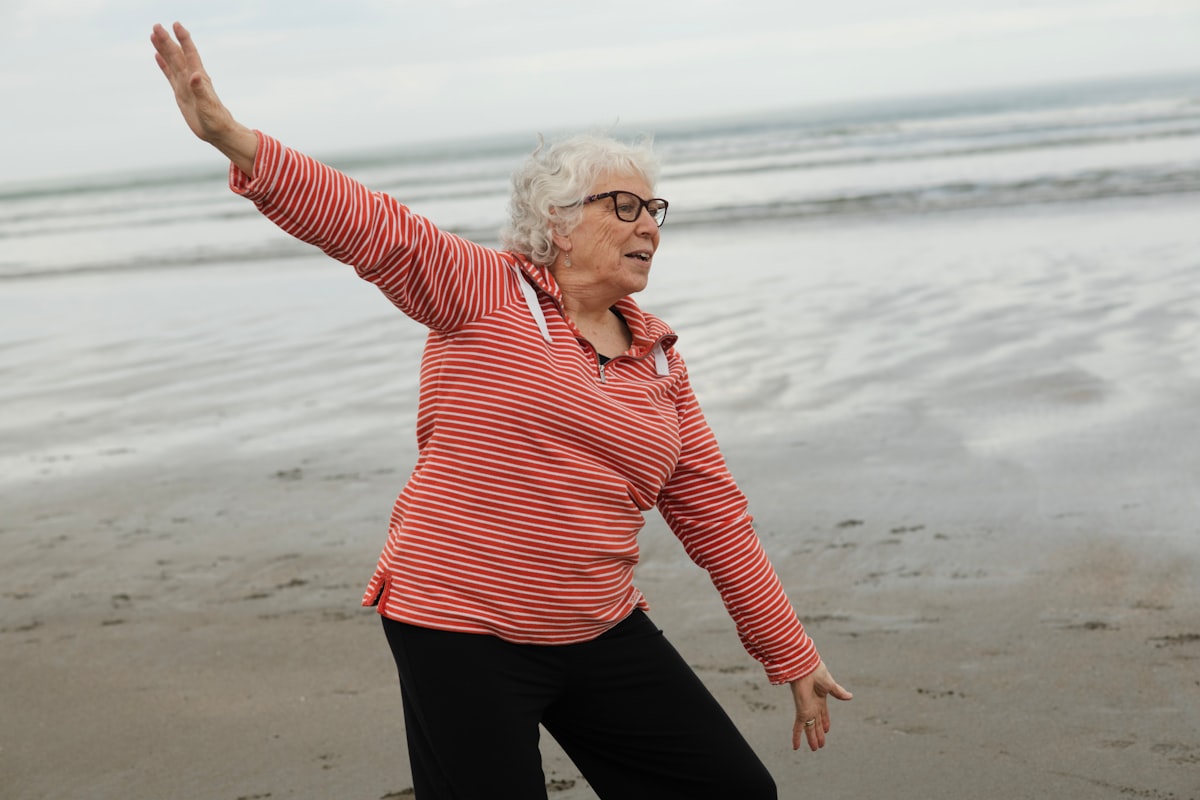
Rooted in Nature,
Built for Movement
We are an independent editorial platform dedicated to exploring the science, stories, and real-world evidence behind plant-based supplements for joint flexibility and freedom of movement.
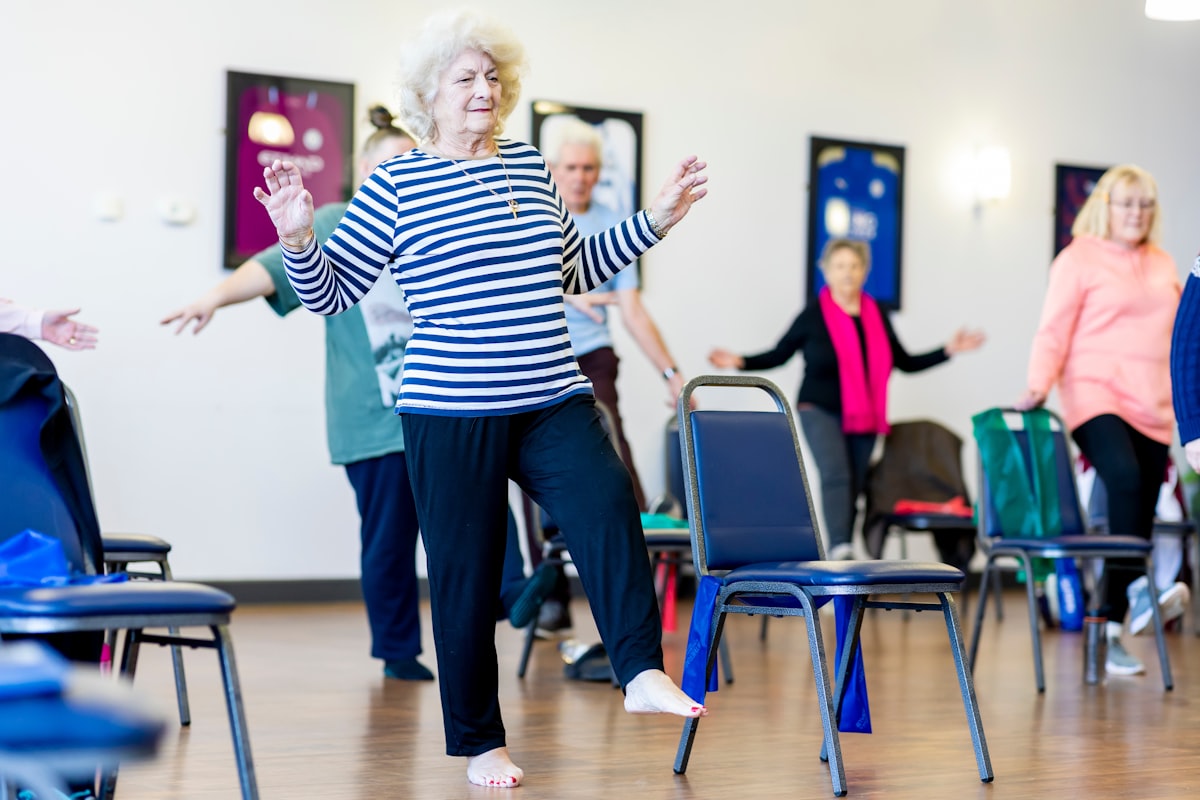
A Platform Born from Curiosity and a Love for the Natural World
Naturalbodymove was founded by a small group of journalists, nutritional researchers, and movement enthusiasts based in Bilbao, Spain. What began as informal conversations about botanical extracts and how traditional herbalism intersects with modern exercise science evolved into a fully dedicated editorial platform — one that takes plant-based joint support seriously, without sensationalism or false promises.
Our editorial team draws on peer-reviewed research, expert interviews, and firsthand contributor accounts from across Spain and Europe to produce content that is both accurate and genuinely useful. We believe that understanding the plants behind a supplement — their origin, extraction method, and biological activity — empowers readers to make informed decisions about their own mobility and well-being.
Every article, guide, and analysis published on this platform reflects our commitment to botanical transparency. We do not accept sponsored content that misrepresents evidence, and our writers are encouraged to challenge the claims they cover with critical, balanced reporting.
What Defines Our Editorial Standard
These are not numbers — they are principles. Each pillar shapes how we research, write, and publish content on plant-based joint supplements.
Botanical Integrity
We verify every plant compound we write about — from sourcing region to active molecule — before publishing any editorial claim.
Research-First Approach
Our editorial process starts with published science. We review primary sources and cite them transparently so readers can explore the evidence themselves.
Community of Voices
We feature contributors from diverse backgrounds — athletes, physiotherapists, herbalists, and everyday people — to reflect the full spectrum of movement experience.
Editorial Independence
No sponsored editorial positions. No hidden agendas. Our coverage of plant-based joint support is guided solely by evidence and reader benefit.
How We Research, Write, and Share Botanical Knowledge
From the moment a topic is proposed to the final published article, we follow a rigorous three-stage process to ensure accuracy, clarity, and genuine value for our readers.
Botanical Research & Source Review
Every article begins with deep plant research. Our writers explore the traditional use history of a botanical ingredient — such as Boswellia serrata, turmeric root, or willow bark — before cross-referencing contemporary clinical literature. We identify the specific compounds responsible for supporting joint flexibility, their absorption rates, and the conditions under which they are most active. Only topics that meet our evidence threshold move forward to the writing stage.
Expert Review & Editorial Drafting
Once foundational research is complete, our writers draft articles that are reviewed for clarity and readability. Drafts are reviewed for factual accuracy, appropriate nuance, and readability. We deliberately avoid overstating the effects of any plant supplement, ensuring our content reflects what the science currently supports rather than what we might wish it said.
Publication, Feedback & Ongoing Updates
Published articles are monitored for reader feedback and updated whenever new research emerges in the field of plant-based joint support. We believe good editorial content is not static — it evolves as the science evolves. Readers can submit corrections, share personal perspectives, or suggest new topics via our contact page. This ongoing dialogue keeps our platform grounded in lived experience as well as evidence-based understanding.
Key Plant Compounds We Explore in Depth
Our editorial coverage focuses on specific botanicals with documented roles in supporting joint flexibility, cartilage health, and comfortable movement for active individuals.
Boswellia Serrata Extract
Derived from the resin of the Indian frankincense tree, Boswellia serrata contains boswellic acids that have been extensively studied for their role in supporting smooth, comfortable joint movement. Our articles examine extraction quality, dosage context, and how this resin has been used in Ayurvedic tradition for centuries as a tool for maintaining mobility.
Curcumin from Turmeric Root
Curcumin is the primary active compound found in turmeric root, celebrated across Asian herbal traditions for its profound relationship with joint tissue health. We cover topics like bioavailability enhancement through piperine pairing, the difference between raw turmeric and standardized extracts, and how curcumin fits into a broader dietary approach to supporting musculoskeletal comfort and flexibility.
Devil's Claw Root
Native to southern Africa, Devil's Claw (Harpagophytum procumbens) has earned significant attention in European herbal research for its potential to support joint mobility and ease of movement. Our editorial pieces explore the active iridoid glycosides responsible for its botanical properties, responsible sourcing concerns from an ecological perspective, and how it is used in modern plant-based dietary supplement formulations.
Ginger Root Concentrate
Beyond its culinary fame, ginger root concentrate — particularly its gingerol and shogaol fractions — is a subject of growing scientific interest in the context of joint flexibility and the body's natural movement support systems. We investigate how cold-pressed ginger extracts differ from dried root powders, and what the current body of research says about ginger's place in a plant-based supplement routine for active adults.
Collagen-Supporting Botanicals
Several plant compounds — including rosehip extract, pine bark oligomers, and vitamin C-rich sea buckthorn — are known to support the body's own collagen synthesis pathways, which are essential to cartilage and connective tissue integrity. Our writers explore how these botanical cofactors work alongside the body's natural processes to maintain structural support for joints in people with active lifestyles and those recovering from physical exertion.
Vitamin D3 from Lichen Sources
For readers seeking fully plant-derived supplement options, lichen-sourced Vitamin D3 represents an important editorial topic. Adequate Vitamin D levels are closely associated with bone density, muscle function, and overall musculoskeletal resilience. We examine the difference between D2 and plant-sourced D3, optimal intake contexts for those in lower-sunlight regions of Spain, and how Vitamin D fits into a broader nutritional approach for joint and skeletal support.
We Believe Informed Readers Move More Freely
Our mission at Naturalbodymove is to make the science of plant-based joint support genuinely accessible — not watered down, not overblown, but honest, nuanced, and useful for real people navigating real decisions about their physical well-being in Spain and beyond.
Clarity Over Complexity
We translate complex botanical and nutritional science into plain, accessible language without sacrificing accuracy. Our readers deserve to understand what they are putting into their bodies — not just be told what to do.
Responsible Reporting
We never overstate what plants can do. Our editorial standards require careful qualification of findings, transparent sourcing of claims, and honest acknowledgment of where the evidence is still developing or inconclusive.
Active Life Focus
Whether our reader is a trail runner in the Basque Country, a yoga practitioner in Madrid, or a weekend hiker in Catalonia, our content is written with active, movement-oriented lives in mind — not as abstract nutritional theory.
The People Behind the Platform
Our editorial board brings together diverse expertise in botanical science, health journalism, sports nutrition, and herbalism — all united by a passion for evidence-based wellness writing.
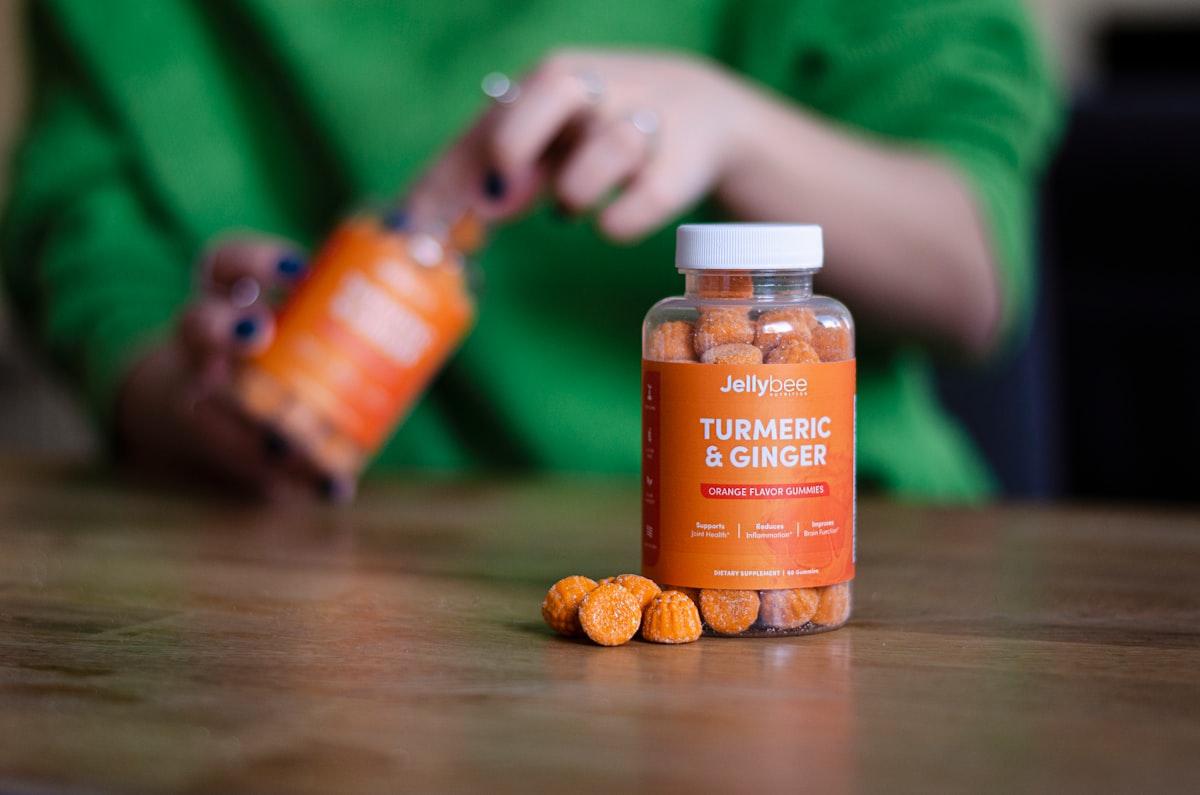
Elena Martínez Ruiz
Editor-in-Chief & Botanical ResearcherElena holds a postgraduate qualification in nutritional science from the University of Navarra and has spent years studying the intersection of traditional European herbalism and contemporary supplement research. She leads editorial direction at Naturalbodymove, ensuring every published piece adheres to strict factual and ethical standards. Elena is particularly passionate about plant compounds that support musculoskeletal resilience in active adults and writes a monthly research digest column for the platform.
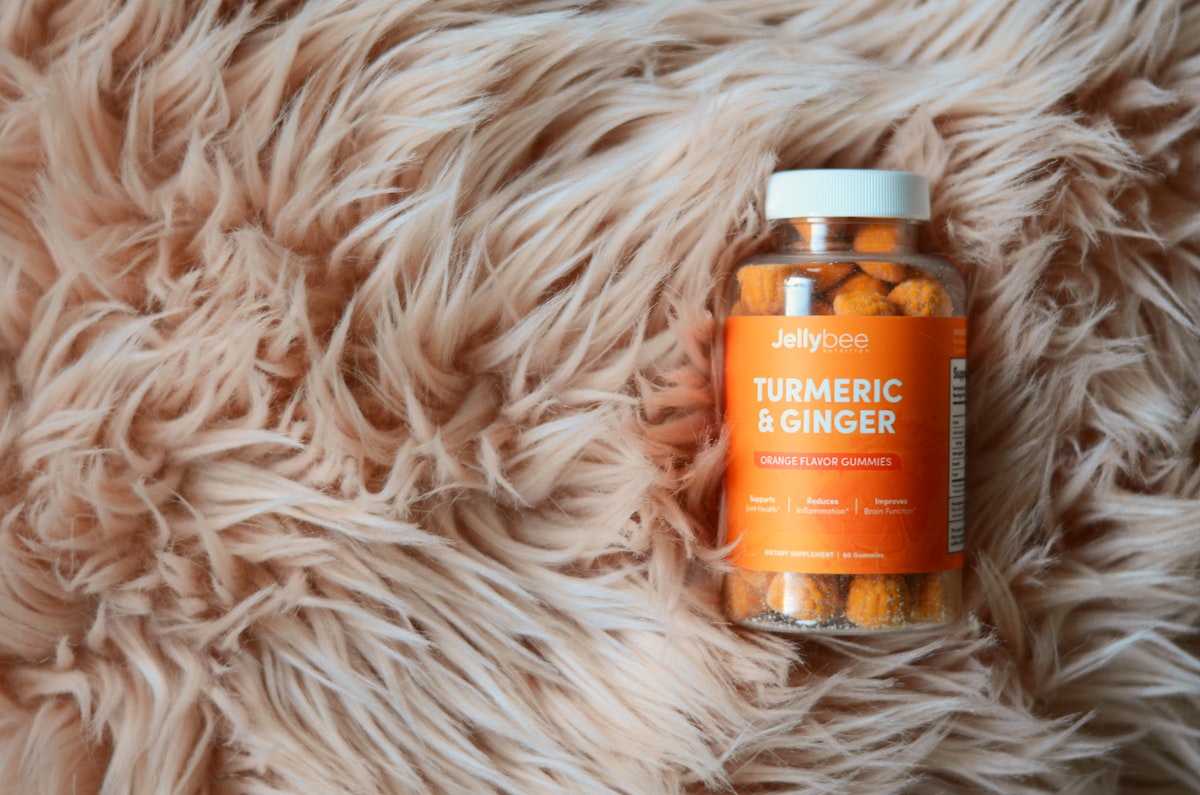
Marcos Ibáñez Delgado
Senior Health Writer & Sports Nutrition ContributorMarcos is a certified sports nutritionist and long-distance trail runner who brings practical, embodied knowledge to the editorial team. Based in Bilbao, he has first-hand experience evaluating how plant-based dietary supplements integrate with high-output training routines. His writing bridges the gap between laboratory research and the lived reality of athletes and active individuals. Marcos is the primary author of our Supplement Ingredient Deep Dive series, which explores botanical bioavailability and sourcing ethics in detail.
Sofía Llorente Vega
Herbalism Specialist & Content StrategistSofía trained as a clinical herbalist in Barcelona and brings deep practical knowledge of plant-based wellness traditions to the editorial platform. She oversees content strategy and ensures that Naturalbodymove maintains a healthy balance between traditional herbal wisdom and modern evidence-based perspectives. Her expertise covers medicinal plant cultivation, wildcrafted botanical sourcing, and the regulatory landscape for dietary supplements in Spain and across the European Union. Sofía also manages community contributor submissions and editorial mentorship.
Stay Updated with Our Latest Articles
Join readers across Spain who receive our weekly editorial digest on plant-based joint supplements, movement science, and botanical wellness insights — delivered directly to your inbox.
By subscribing, you agree to our Privacy Policy. No spam. Unsubscribe at any time.
Common Questions About Our Platform & Plant-Based Joint Supplements
We receive many questions from readers curious about our editorial approach and the botanical topics we cover. Here are the most common ones, answered honestly.